Architecture & Design (CCDE Track)
Vendor-neutral, business-driven network architecture. Designing deterministic fabrics and WANs where failure domains are strictly contained.
The missing link on your team: an independent CCIE who spots architectural bottlenecks and intermittent faults before others do — and translates them clearly to the boardroom. Over a decade of experience across mission-critical infrastructure and national operator environments, without layers of account management.
No packet left behind.

One senior engineer across architecture, resilience, deep packet troubleshooting, and high-stakes migrations.
Vendor-neutral, business-driven network architecture. Designing deterministic fabrics and WANs where failure domains are strictly contained.
Deep operational mastery across Cisco (IOS-XE, IOS-XR, NX-OS) and Arista EOS — from EVPN/VXLAN leaf-spine fabrics to complex BGP/MPLS cores.
Over a decade in safety-critical aviation and national telecom infrastructure: environments where high availability is regulated and downtime is not an option.
The hard, intermittent faults are the interesting ones. Wire-level packet captures (pcap), control-plane state analysis, and zero guesswork.
Model-driven automation with Python, YANG/NETCONF, Nautobot, and IP Fabric — eliminating human operational error before changes hit production.
Active Cisco Champion, Cisco Insider advocate, and contributor to Cisco Champion Radio — bridging early technology insights straight to your architecture.
From live stage interviews at Cisco Live and panel recordings on Cisco Champion Radio to testing and shaping products as a Cisco Insider — the exact engineer you see is the engineer on your call.
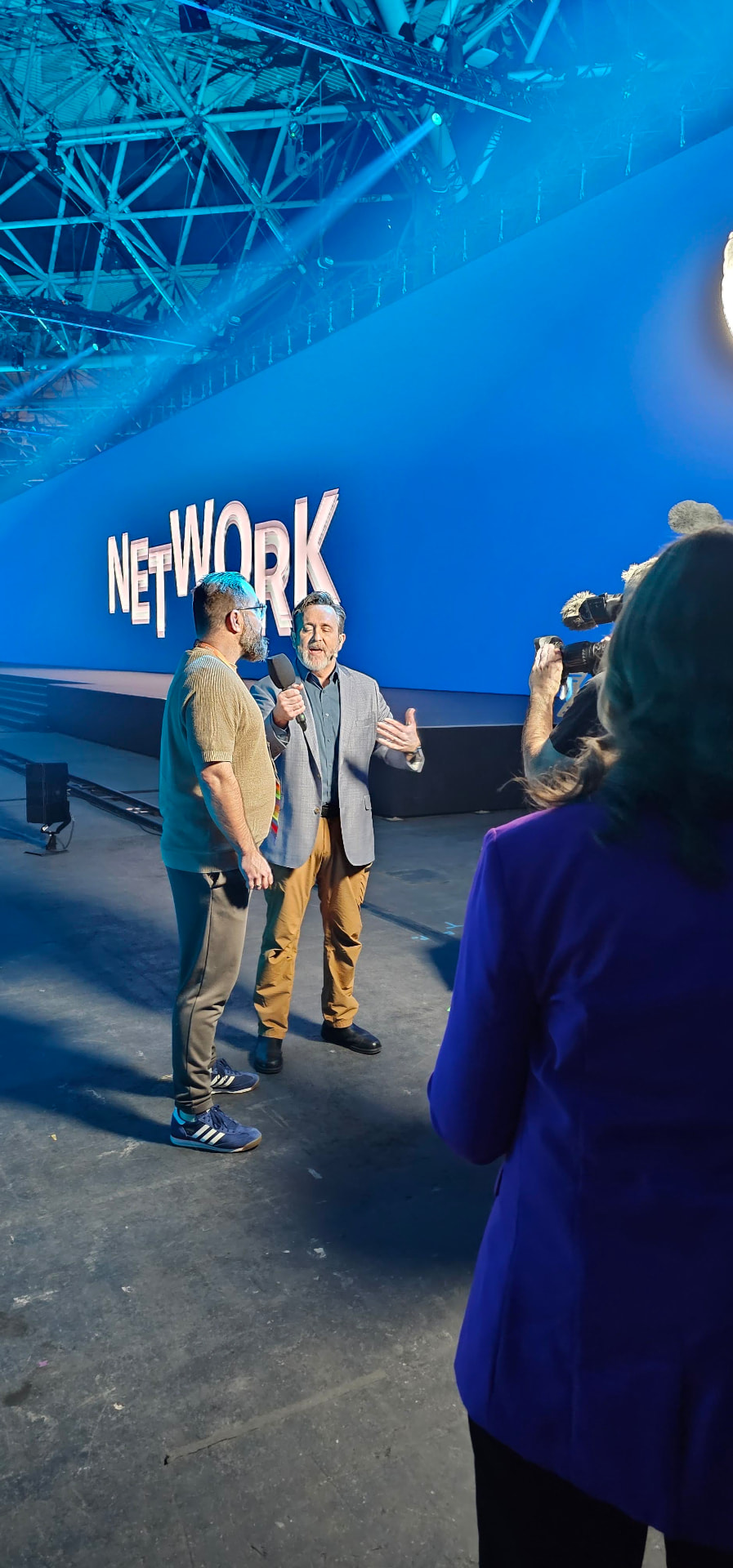
Live interview on the Cisco Live floor in front of the NETWORK stage.
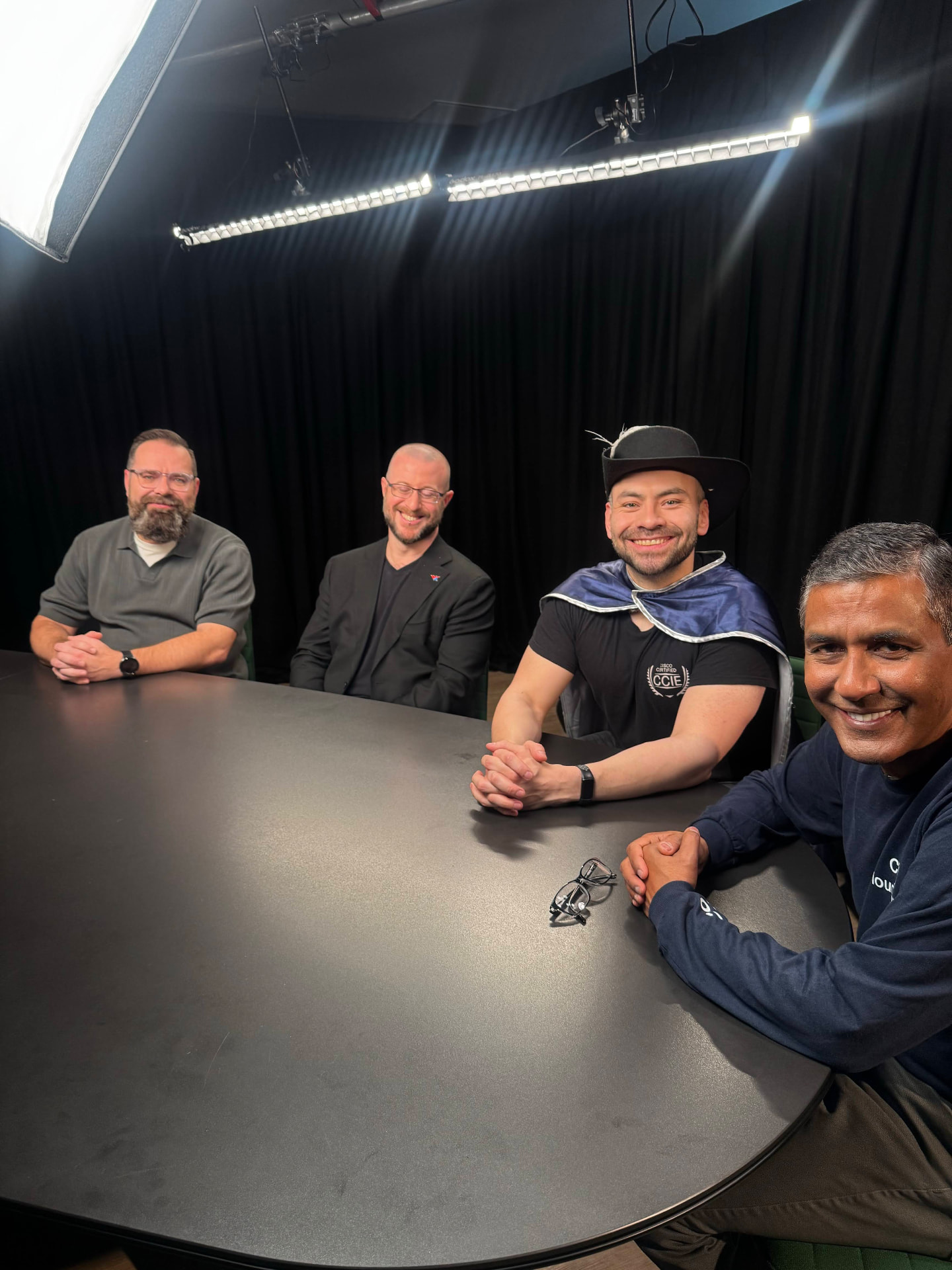
Studio recordings and technical roundtables with fellow CCIEs and architects.
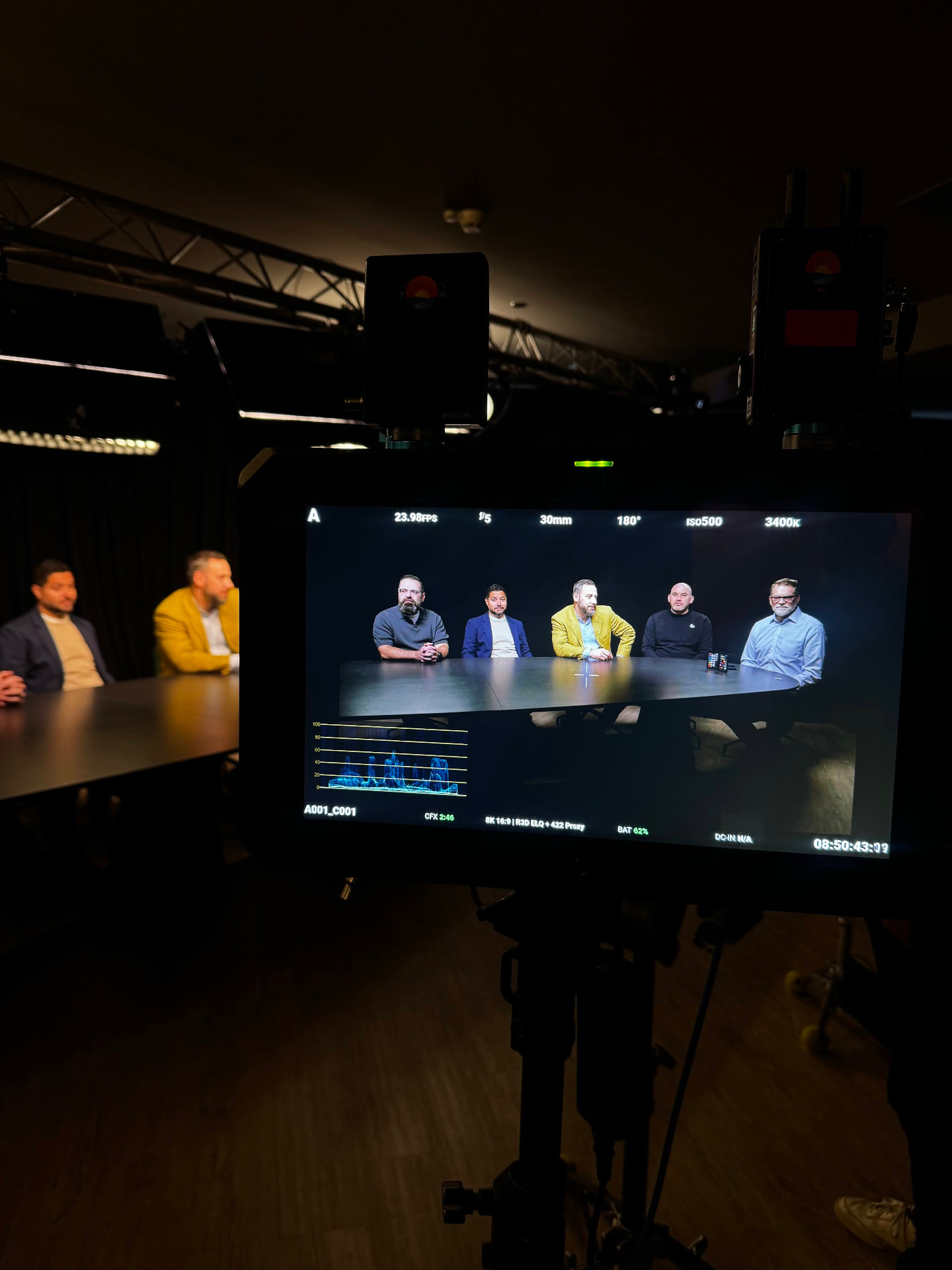
Filmed expert deep-dives — communicating complex architecture clearly to any audience.
A core or fabric migration is planned, but nobody can deterministically state which dependencies or routing policies break first.
A micro-outage clears in minutes — and no one can prove from pcaps or logs what failed or why it won't recur during peak load.
The internal team is buried in daily tickets; there is no independent CCIE/CCDE-level peer review on the design before it ships.
Clean, scalable campus, WAN, and EVPN/VXLAN datacenter designs built on CCDE first-principles that survive the next five years.
Deterministic failover, BFD/BGP convergence tuning, and recovery validation that you can prove in lab twins before you need it in production.
The intermittent fault your runbook cannot name, traced down to the exact packet, buffer, or ASIC counter.
Automated pre-/post-validation and independent design reviews so high-risk cutovers finish inside the maintenance window.
Describe your network symptom or migration dilemma. Receive an instant CCIE-structured triage brief: likely root causes, first CLI/pcap checks, and architectural questions to ask.
Lab tests usually pull a single clean interface with zero background control-plane stress. In production, sub-optimal BFD multipliers, ECMP hashing polarisation, and stateful firewall session sync latencies turn a 'sub-second' lab failover into a 45-second application brownout.
When return traffic crosses a secondary VRF or inspection zone, TCP state validation and path MTU discovery silently drop frames. Without simultaneous two-point packet captures, teams waste weeks blaming the application tier.
If your rollback relies on pasting 800 lines of reversed CLI commands at 03:30 AM, it is not a rollback plan. True rollback resilience means administrative distance staging, pre-validated config replace snapshots, and automated state assertions.
Send a short note about the network challenge in front of you. You will get a scoped, honest read directly from Maikel on whether Packetwhisperer is the right fit.